Took a blog break yesterday - and taking a Matthew break today. Here's the prayer collect from the Book of Common Prayer - for this past Sunday (the 5th of Lent):
Almighty God, you alone can bring into order the unruly wills and affections of sinners: Grant your people grace to love what you command and desire what you promise; that, among the swift and varied changes of the world, our hearts may surely there be fixed where true joys are to be found; through Jesus Christ our Lord, who lives and reigns with you and the Holy Spirit, one God, now and for ever. Amen.
Tuesday, April 04, 2017


Sunday, April 02, 2017
Hauerwas on Matthew 2 (2)
What is fascinating to me regarding chapter two is that there are four prophecies given, in which Matthew remarks in his standard way: “This fulfilled what the prophets had said.”
2:6 = Micah 5:2; 2 Samuel 5:2
2:15 = Hosea 11:1
2:18 = Jeremiah 31:15
2:23 = ?????
There are question marks because no OT text seems to overtly predict that Jesus would be called a Nazarene. Makes me wonder if there was some set of prophecies that we just don’t have access to anymore. I trust that we have what we need - but it’s interesting to me nonetheless.
Chapter two is heart-breaking: Herod is insecure and doesn’t want to lose his position to this new king - so he kills all the boys who are two-years-old or younger in and around Bethlehem. SH mentions that this story should rock the sentimental nature of Christmas. A great tragedy occurred around Jesus’ birth. Liturgical church traditions commemorate this tragedy through a feast day in late December (most of them). We should not forget that Jesus’ birth lead to great anguish - but it also should not surprise us that this would be so. There is a battle going on - and as Matthew will illustrate through the teachings of Jesus - the kingdom of Jesus stands in direct opposition and contrast to the way a sinful world chooses to operate.
One other thing that SH mentions is that Jesus’ flight to Egypt and back should sound really familiar - because it mirrors the Israelites Exodus from Egypt. “(Jesus) is also the new Moses called to lead his people to the land of faithfulness” (p.40). So now Jesus has been connected to Moses, Abraham and David: Jesus truly came to fulfill the OT - and in doing so - he completes the various functions of the key players. I’m sure this will come up more as we explore Matthew.
Saturday, April 01, 2017
Hauerwas on Matthew 2 (1)
So the story turns from the birth of Jesus to the political intrigue that was happening in response to it. King Herod is introduced into the story… along with a group of foreigners - wise men - who have been studying the star and somehow ascertained that this was related to the birth of a king.
Hauerwas makes a brief point about ‘natural knowledge’ here - which is fascinating. How do a group of non-Israelites figure out that a Jewish king would be born - just by looking at the stars? This is an overlooked bit of miracle in the stories that we tell around Christmas. At the same time, it illustrates a point about rational thinking, nature and faith. “The wise men confirm the church’s conviction articulated at Vatican I that we should believe that God’s existence is in principle open to rational demonstration" (p.39). In other words: there are things that people can deduce from what's around them about both God’s existence and God’s intention for creation. It’s a fascinating discussion.
What is also fascinating - and happens to be a carry-over theme from the genealogies in Matthew 1: God allows non-Israelites to feature prominently in the story of Jesus’ early life. Much like the four women denoted in the the messianic bloodline - this foreshadows an important reality: What Jesus is about to do will not just be for the Jews - but it will also spill over and bless the Gentiles as well.
To set up all of Matthew 2 - SH begins to unpack some of the political implications and comparisons between what we see in Herod and Rome - and what we’ll begin to see in Jesus and His kingdom. This is a theme that will have multiple echoes in this particular gospel… particularly in the sermon on the mount. But for this chapter - SH makes sure to point out how Herod ruled through fear and terror - whereas Jesus postured himself as a shepherd who wielded a different type of power - and leveraged that power in a completely different way.
Friday, March 31, 2017
Prayer in Change
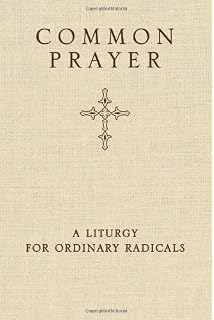
I am slowly working through a book called 'Common Prayer: A Liturgy for Ordinary Radicals.' I have loved the book so far and I think I will enjoy using it more frequently at the start of the next liturgical year (Advent). There is a section in the book that has 'Occasional Prayers' for a variety of different situations. There are prayers for households and workplaces which are excellent. But I stumbled across a prayer to pray in the midst of change and thought I would share it here:
"Lord, help me now to unclutter my life, to organize myself in the direction of simplicity. Lord, teach me to listen to my heart; teach me to welcome change, instead of fearing it. Lord, I give you these stirrings inside me. I give you my discontent. I give you my restlessness. I give you my doubt. I give you my despair. I give you all the longings I hold inside. Help me to listen to these signs of change, of growth; help me to listen seriously and follow where they lead through the breathtaking empty space of an open door."
I don't think this prayer resonated with me specifically because of a need to handle change better. I can usually handle change pretty well. But there were some key words in there that do speak to me in specific seasons: Discontent; restless; fear; doubt. There are days when I feel so incredibly restless and I never really know what to do with that pent-up energy. It is frustrating and hard to put into words what I feel like inside of myself when that happens. I think this prayer speaks directly to some of those things - better than I've been able to articulate before.
Back to the gospel of Matthew tomorrow!
Thursday, March 30, 2017
Hauerwas on Matthew 1 (4)
After four posts, we finally come to the end of Matthew chapter 1! Today, the focus is on the birth narratives: Matthew 1:18-25. We get the viewpoint of Joseph - but Matthew does not diminish Mary. Her obedience to receive the Holy Spirit is what leads to the pathway of salvation being opened to humans. SH mentions that Mary has been called ‘the second Eve’ but that ‘a second Abraham’ might be more in order: “Just as Abraham obeyed God’s call for him to leave his familiar land to journey to a foreign destination, so Mary through her willingness to become the very Mother of God is the beginning of the church" (p.36). This is a comparison that I have not heard before - and I think it works well. Both individuals were obedient to something uncomfortable… and through their obedience… God was able to produce a group of people that He would lead and bless (Abraham - Nation of Israel; Mary - Church of Christ).
There are two facets to the story, which are traditional and orthodox, to which SH affirms. 1) Jesus was conceived through the work of the Holy Spirit. 2) Jesus was born of a Jewish virgin. Removing either of these facets will change the story in ways that make it no longer work.
It must be noted that the Holy Spirit’s role is present in Matthew from the very beginning of his story (v.18). We will see the Holy Spirit again in this gospel. SH suggests that “for Matthew, the work of the Spirit is to point to the humanity of Christ" (p.33).
Jesus was born through a Jewish woman - we cannot separate out the fact that Jesus has Jewish flesh... that frames the entire gospel. The virgin birth gives us a very clear picture of the sonship of Jesus next to God the Father. This is also a part of the story that cannot be told without the virgin birth. And it fulfills the Isaiah 7:14 prophecy (v. 22-23). Matthew sets up a pattern in verse 22 that will be repeated throughout the gospel: “all of this occurred to fulfill the Lord’s message through the prophet.”
I really did not do justice to SH’s thoughts on Matthew 1. I had to leave out so much good stuff that he observed! I need to move forward and begin working ahead in Matthew. But first: tomorrow I’ll take a short break in between chapters and focus on something else. Stay tuned. We’ll pick back up on Matthew 2 on Saturday.
I really did not do justice to SH’s thoughts on Matthew 1. I had to leave out so much good stuff that he observed! I need to move forward and begin working ahead in Matthew. But first: tomorrow I’ll take a short break in between chapters and focus on something else. Stay tuned. We’ll pick back up on Matthew 2 on Saturday.
Wednesday, March 29, 2017
Hauerwas on Matthew 1 (3)
There is one other point that Hauerwas makes about the genealogies: The names of four woman are included in this history.
Tamar (v.3); Rahab (v.5a); Ruth (v.5b); Bathsheba (v.6).
Stanley Hauerwas (SH) wrestles with the question of why these four woman were included specifically - and why women were included at all - given that this was an anomaly for genealogies written in Matthew’s day… and the OT genealogies only include males.
One proposition that SH rejects is that these four were included because of their sexual promiscuity. The inclusion of Ruth in that equation makes this proposition void.
SH actually lands on the idea that these woman represent outsiders. “These women are not clearly from the people of Israel, yet they serve as God’s providential care of Israel by quite literally making the Davidic line possible (p.32).” And more: “These women represent the undeniable reality that God’s promise to Israel has spread to the Gentiles (p.32).” I love this interpretation and when put next to the Great Commission found at the end of the gospel - "Gentile inclusion” literally frames Matthew’s retelling of the story of Jesus. Cool stuff there.
Though SH does not state it this way - I also wonder if Matthew is beginning to frame a new way of looking at the vocation of women in light of this new thing that Jesus was bringing to this world. Admittedly, Matthew does not have much more to say about specific women: He introduces Mary (Mother of Jesus) in the next section - but Joseph is more of the active viewpoint found in Matthew’s birth narratives. Two stories are included (9:20-22; 15:21-28) of woman who show faith and initiative. Women are found around the passion and resurrection scenes (26:6-13; 27:55-56; 27:61: 28:1-10). Maybe I am just trying to “read” my heritage as a Wesleyan into the gospel - but I find it refreshing that NT writers included the various contributions of women into the story - and I do not believe (as a whole) that Matthew gives any sort of "red light" to allowing women to take on roles of leadership and influence. (In fairness - he never directly addresses the issue either.)
Regardless, most of the NT writes very redemptively about the vocation of women and I am so glad that I find myself in a tradition that attempts to empower women, rather than silence them.
Regardless, most of the NT writes very redemptively about the vocation of women and I am so glad that I find myself in a tradition that attempts to empower women, rather than silence them.
Tuesday, March 28, 2017
Hauerwas on Matthew 1 (2)
Continuing on from yesterday’s post… Hauerwas moves along to the genealogy that is found in verses 2-16. He makes several interesting points about the genealogy:
There are three ‘movements’ in Matthew’s genealogy:
Movement 1: (verses 2-6; 17a) Abraham to David
Movement 2: (verses 7-11; 17b) David to Exile
Movement 3: (verses 12-16; 17c) Exile to Messiah
The first movement is meant to encapsulate the story of Israel’s triumph. Hauerwas: “David clearly represents for Matthew the climax of Israel’s history” (p.31). The second movement tells the story of Israel’s loss - “climaxing” with the Babylonian exile. The third movement tells the story of restoration - climaxing with the birth of Jesus - the long-awaited king.
Again, I really enjoy this kind of thing - because I love seeing the intention behind the writing of the gospel. There is so much more going on than we often realize. In terms of the genealogy in particular: how often have I skipped over the first 17 verses of Matthew in order to get to the birth (Christmas) narratives? More times than I care to admit. But between yesterday’s post and today’s - it’s clear that the first 17 verses were pregnant with meaning for Matthew.
He infers the entire history of Israel - simply by the way he groups generations together - and he telegraphs the significance of Jesus - simply by connecting his name to the name of two other important figures in OT history. Whether Matthew really meant all this - I don’t know. Whether Hauerwas is right on all of this - I also don’t know. But what I do know and have experienced: God is able to continually shine new light upon the scriptures. It is remarkable what can be found there - even after hundreds of readings. I appreciate this about the scriptures - they are alive and active - so they never grow static or stale… they can never be completely mastered - because they speak afresh to each new generation and each new set of problems and issues that each generation is tasked with facing. I am grateful to God for the depth and breadth of the scriptures He has given to us.
And we aren’t even done with Matthew 1!
Monday, March 27, 2017
Hauerwas on Matthew 1 (1)
I can't believe that it's been almost two years since I posted on my blog! I also can't believe that I've had this blog since 2004. Time absolutely flies by. The older I get - the faster it goes.
I wanted to get back into a discipline of spiritual writing. I feel like I read a lot, but I'm not sure how much I retain when I don't process it through writing. Thought I'd give it a shot on this forum. May only last today - I don't know.
I've been reading the Brazos Theological Commentary on Matthew, written by Stanley Hauerwas. I'm a huge fan of Hauerwas - was exposed to him while in Wheaton and through a family member who attended Duke. Today - I started in on his thoughts on Matthew 1. I really appreciated some of the things he communicated.
For one: He observes that Matthew 1:1 designates Jesus as a descendant of 'David and Abraham.' He thought it was curious. Why not just go all the way back to Adam? There must be a reason why Matthew writes it this way: Hauerwas speculates that it's because Matthew wants Jesus connected with kingship (David) and sacrifice (Abraham being willing to sacrifice Isaac.) "Matthew prepares us to recognize that this is a king who will end up on the cross (p. 27)."
Hauerwas thinks that there is great intention in the names and order of 1:1. I'm a sucker for this kind of thinking. He may be wrong - but I love making those interesting connections... and understanding that original readers/hearers would pick up on those types of connections because of their familiarity with the OT. I LOVE that Matthew had a specific strategy for his gospel and starts unpacking it right away in the first sentence!
I wanted to get back into a discipline of spiritual writing. I feel like I read a lot, but I'm not sure how much I retain when I don't process it through writing. Thought I'd give it a shot on this forum. May only last today - I don't know.
I've been reading the Brazos Theological Commentary on Matthew, written by Stanley Hauerwas. I'm a huge fan of Hauerwas - was exposed to him while in Wheaton and through a family member who attended Duke. Today - I started in on his thoughts on Matthew 1. I really appreciated some of the things he communicated.
For one: He observes that Matthew 1:1 designates Jesus as a descendant of 'David and Abraham.' He thought it was curious. Why not just go all the way back to Adam? There must be a reason why Matthew writes it this way: Hauerwas speculates that it's because Matthew wants Jesus connected with kingship (David) and sacrifice (Abraham being willing to sacrifice Isaac.) "Matthew prepares us to recognize that this is a king who will end up on the cross (p. 27)."
Hauerwas thinks that there is great intention in the names and order of 1:1. I'm a sucker for this kind of thinking. He may be wrong - but I love making those interesting connections... and understanding that original readers/hearers would pick up on those types of connections because of their familiarity with the OT. I LOVE that Matthew had a specific strategy for his gospel and starts unpacking it right away in the first sentence!
Thursday, February 19, 2015
"The people of God is called to be today what the world is called to be ultimately." (John Howard Yoder) This is a bittersweet reflection of the church to me. Sweet because I love the sentiment expressed by Yoder and agree with it. The people of God should be a reflection or a foretaste of what resurrection life will look like.
The statement is bitter because, so often, in the churches I've been a part of , this is far from reality. To the point that, if the relational and political realities of heaven looked like some of the churches I've been a part of, then I'm not sure anybody would want to go there. I'm on the hook for this too - I will not pass blame without accepting some of it on my shoulders.
Life in Christ should be so compelling and exciting. We have the absolute best news to share. But the past decade of ministry has left the opposite impression on me. The question becomes, as a pastor, how do I help create a resurrection life atmosphere? An atmosphere where life swallows up death? Where the fruit of the Spirit swallow up evil?
The statement is bitter because, so often, in the churches I've been a part of , this is far from reality. To the point that, if the relational and political realities of heaven looked like some of the churches I've been a part of, then I'm not sure anybody would want to go there. I'm on the hook for this too - I will not pass blame without accepting some of it on my shoulders.
Life in Christ should be so compelling and exciting. We have the absolute best news to share. But the past decade of ministry has left the opposite impression on me. The question becomes, as a pastor, how do I help create a resurrection life atmosphere? An atmosphere where life swallows up death? Where the fruit of the Spirit swallow up evil?
Wednesday, February 18, 2015
Ash Wednesday
"Almighty and everlasting God, you hate nothing you have made and forgive the sins of all those who are penitent: create and make in us new and contrite hearts, that we, worthily lamenting our sins and acknowledging our wretchedness, may receive from you, the God of all mercy, perfect remission and forgiveness; through Jesus Christ your Son our Lord, who is alive and reigns with you, in the unity of the Holy Spirit, one God, now and forever. Amen." (Ash Wednesday, Anglican Prayer)
Sunday, January 01, 2012
2011 Reading List
As has been my tradition... here's all my reading from the past year. For the record... it's my lowest page total since I've been tracking this thing. The problem is that I'm in the middle of three or four books both at home and in the office. So it's a little deceiving. Hopefully I can get up into the 10,000 page range next year. We shall see.
Professional Reading
1. Razing Hell (Sharon Baker) 222 Pages
2. A Resilient Life (Gordon MacDonald) 243 Pages
3. Visionary Parenting (Rob Rienow) 140 Pages
4. Justification (N.T. Wright) 279 Pages
5. Evil and the Justice of God (N.T. Wright) 176 Pages
6. Surprising Insights from the Unchurched (Thom Rainer) 281 Pages
7. Love Wins (Rob Bell) 202 Pages
8. The Circle of Seasons (Kimberlee Conway Ireton) 138 Pages
9. The Grand Weaver (Ravi Zacharias) 208 Pages
10. God Behaving Badly (David Lamb) 205 Pages
11. Bible Made Impossible (Christian Smith) 240 Pages
12. The Good and Beautiful God (James Bryan Smith) 191 Pages
Top 3 Professional
-A Resilient Life: Extremely valuable book detailing truths that will lead to longevity in ministry. I read this at a crucial time in my own life.
-Bible Made Impossible: Fun little book that details a Christ-centered hermeneutic and makes the case that you don't have to be a fundamentalist or even a biblicist to have an extremely high view of scripture.
-The Good and Beautiful God: Great entry level discipleship material... the whole book is about identifying and rejecting false narratives that we hold about God and ourselves. Very well done.
Personal Reading
1. Star Wars: Patterns of Force (Michael Reaves) 288 Pages
2. American Assassin (Vince Flynn) 435 Pages
3. Star Wars: Lost Tribe of the Sith #6: Sentinel (John Jackson Miller) 29 Pages
4. The Game of My Life (Matthew Leach) 206 Pages
5. Star Wars: Judge’s Call (Timothy Zahn) 5 Pages
6. The Abs Diet (David Zinczenko) 287 Pages
7. Star Wars: Vortex (Troy Denning) 375 Pages
8. Dune: House Corrino (Anderson and Herbert) 496 Pages
9. Star Wars: Lost Tribe of the Sith #7: Pantheon (John Jackson Miller) 31 Pages
10. Escape from the World Trade Center (Leslie Haskin) 74 Pages
11. Star Wars: Conviction (Aaron Allston) 366 Pages
12. Phoenix Rising (William W. Johnstone) 345 Pages
13. Star Wars: Death Troopers (Joe Schreiber) 284 Pages
14. The Hunger Games (Suzanne Colllins) 374 Pages
Top 3 Personal
-The Hunger Games: Hands down the best and most interesting book I read all year. Good story, compelling characters... can't wait to dive into the last two books.
-American Assassin: Not the best Vince Flynn novel ever... but in the drudgery that was my personal reading this year... it makes it's way into the top two.
-Star Wars, Death Troopers: Again, not a great book... but different than the semi-boring Star Wars stuff that I've been reading lately.
22 Books, 4 Short Stories/ebooks 6120 Total Pages
Professional Reading
1. Razing Hell (Sharon Baker) 222 Pages
2. A Resilient Life (Gordon MacDonald) 243 Pages
3. Visionary Parenting (Rob Rienow) 140 Pages
4. Justification (N.T. Wright) 279 Pages
5. Evil and the Justice of God (N.T. Wright) 176 Pages
6. Surprising Insights from the Unchurched (Thom Rainer) 281 Pages
7. Love Wins (Rob Bell) 202 Pages
8. The Circle of Seasons (Kimberlee Conway Ireton) 138 Pages
9. The Grand Weaver (Ravi Zacharias) 208 Pages
10. God Behaving Badly (David Lamb) 205 Pages
11. Bible Made Impossible (Christian Smith) 240 Pages
12. The Good and Beautiful God (James Bryan Smith) 191 Pages
Top 3 Professional
-A Resilient Life: Extremely valuable book detailing truths that will lead to longevity in ministry. I read this at a crucial time in my own life.
-Bible Made Impossible: Fun little book that details a Christ-centered hermeneutic and makes the case that you don't have to be a fundamentalist or even a biblicist to have an extremely high view of scripture.
-The Good and Beautiful God: Great entry level discipleship material... the whole book is about identifying and rejecting false narratives that we hold about God and ourselves. Very well done.
Personal Reading
1. Star Wars: Patterns of Force (Michael Reaves) 288 Pages
2. American Assassin (Vince Flynn) 435 Pages
3. Star Wars: Lost Tribe of the Sith #6: Sentinel (John Jackson Miller) 29 Pages
4. The Game of My Life (Matthew Leach) 206 Pages
5. Star Wars: Judge’s Call (Timothy Zahn) 5 Pages
6. The Abs Diet (David Zinczenko) 287 Pages
7. Star Wars: Vortex (Troy Denning) 375 Pages
8. Dune: House Corrino (Anderson and Herbert) 496 Pages
9. Star Wars: Lost Tribe of the Sith #7: Pantheon (John Jackson Miller) 31 Pages
10. Escape from the World Trade Center (Leslie Haskin) 74 Pages
11. Star Wars: Conviction (Aaron Allston) 366 Pages
12. Phoenix Rising (William W. Johnstone) 345 Pages
13. Star Wars: Death Troopers (Joe Schreiber) 284 Pages
14. The Hunger Games (Suzanne Colllins) 374 Pages
Top 3 Personal
-The Hunger Games: Hands down the best and most interesting book I read all year. Good story, compelling characters... can't wait to dive into the last two books.
-American Assassin: Not the best Vince Flynn novel ever... but in the drudgery that was my personal reading this year... it makes it's way into the top two.
-Star Wars, Death Troopers: Again, not a great book... but different than the semi-boring Star Wars stuff that I've been reading lately.
22 Books, 4 Short Stories/ebooks 6120 Total Pages
Friday, October 28, 2011
Introverts In the Church 5.2
McHugh continues in chapter five with some ‘myths of belonging.’ The first myth he addresses is this one: more personality = more belonging. This myth suggests that the more extroverted and outgoing you are, the better connected you can get into a community. Community is linked to natural personality.
In fact, McHugh goes on to say this (which I had never really thought about in this way before). “…it is a temptation for churches to define spiritual maturity as attendance: regular worship, participating in a committee or leadership team, and involvement in a small group. The implicit though is that the mark of true, progressing discipleship is participation in an increasing number of activities.” He goes on to point out that sporadic worship… or a hesitancy to join in various activities of the church usually land you with an ‘uncommitted’ label.
This is an interesting connection. I have made this mistake before. And I have had to be careful in this area. For instance: small groups. I think small groups can be a really great way to connect into a group of people in a more intimate way. However, throughout my time as a pastor… I’ve noticed that there are select people who are just simply uncomfortable in a small group setting. They still attend Sunday morning… they still give generously… they still help out as needed… but they never commit to a small group. I think some people just never really feel comfortable in a small group.
Truth be told, if I wasn’t a pastor… I don’t even know if I would chase after a small group opportunity… unless they were covering a topic that I was interested in. Coming from an introvert… here’s the problem: I prefer to connect with people on a 1-on-1 setting. That way I can decide exactly how much to share of myself… how many layers to pull back… etc. When you are in a small group… you are dealing with seven to ten different sets of ears… not all of whom you would naturally be comfortable sharing. I don’t think I’ve ever been a part of a small group that I feel completely safe in.
McHugh goes on: “Introverts have layered personalities, and they prefer to slowly unpeel the layers as they bond with people over time.” This explains why small groups can be difficult for me… But this principle works in a lot of different places: I remember having a conversation with a district leader in Michigan… and it was the very first conversation I ever had with him… and one of the first things he asked me was ‘how my thought life’ was. In other words, are you struggling with lust? I remember being horrified… not because that was a struggle… but because it takes a little while to build trust with someone before I share those types of things. But then again, this guy was a full bore extravert.
There’s still quite a bit left to chapter five and I’m going to try to remain more consistent in my detailing it here on the blog.
In fact, McHugh goes on to say this (which I had never really thought about in this way before). “…it is a temptation for churches to define spiritual maturity as attendance: regular worship, participating in a committee or leadership team, and involvement in a small group. The implicit though is that the mark of true, progressing discipleship is participation in an increasing number of activities.” He goes on to point out that sporadic worship… or a hesitancy to join in various activities of the church usually land you with an ‘uncommitted’ label.
This is an interesting connection. I have made this mistake before. And I have had to be careful in this area. For instance: small groups. I think small groups can be a really great way to connect into a group of people in a more intimate way. However, throughout my time as a pastor… I’ve noticed that there are select people who are just simply uncomfortable in a small group setting. They still attend Sunday morning… they still give generously… they still help out as needed… but they never commit to a small group. I think some people just never really feel comfortable in a small group.
Truth be told, if I wasn’t a pastor… I don’t even know if I would chase after a small group opportunity… unless they were covering a topic that I was interested in. Coming from an introvert… here’s the problem: I prefer to connect with people on a 1-on-1 setting. That way I can decide exactly how much to share of myself… how many layers to pull back… etc. When you are in a small group… you are dealing with seven to ten different sets of ears… not all of whom you would naturally be comfortable sharing. I don’t think I’ve ever been a part of a small group that I feel completely safe in.
McHugh goes on: “Introverts have layered personalities, and they prefer to slowly unpeel the layers as they bond with people over time.” This explains why small groups can be difficult for me… But this principle works in a lot of different places: I remember having a conversation with a district leader in Michigan… and it was the very first conversation I ever had with him… and one of the first things he asked me was ‘how my thought life’ was. In other words, are you struggling with lust? I remember being horrified… not because that was a struggle… but because it takes a little while to build trust with someone before I share those types of things. But then again, this guy was a full bore extravert.
There’s still quite a bit left to chapter five and I’m going to try to remain more consistent in my detailing it here on the blog.
Wednesday, April 06, 2011
Friday, March 04, 2011
Introverts In the Church 5.1
“So much of me wants to be lost in my grand ideas and reflections, away from the noise and urgency of other people, but I cannot escape the fact that growth invariably involves the messiness of genuine human contact and the struggles of intimacy.” (Adam McHugh)
I can relate to the above sentiment. I am constantly learning to adjust to this reality of being a lead pastor. There are some weeks when the mess of relationships just continues to pile on. Last week alone, for instance, was a week where I just wish I could have hide in a cave for the entire week. I just kept getting little points of feedback… not all of it very constructive, unfortunately. Some about the worship service, some about children’s curriculum, some about men’s ministry, some about the women’s ministry, some about mission’s giving, some about why people would show up to a ping pong event and not a prayer meeting.
That’s not counting the people who are legitimately hurting right now. People who are struggling to get by financially, people who are dealing with the loss of a loved one, people who are dealing with medical surgeries and recovery. The emotional toll of lead ministry was higher than I ever expected. And yet, I am called to be the pastor of a congregation of people. Even more so, I am called to be IN the fellowship of the church. Pastor or not… I belong to this imperfect body of people called the church.
Dietrich Bonhoeffer says this: “If you scorn the fellowship of the brethren, you reject the call of Jesus Christ, and thus your solitude can only be hurtful to you.” This is a good reminder for an introvert. There is something God created me to bring to the fellowship of believers and there is something that I gain… only by connecting into the fellowship of believers.
McHugh goes on in this chapter to detail how community is emphasized in scripture. The majority of the scriptures were written to a group of people… the nation of Israel or to the Early Church of Jesus Christ. God’s plan for the redemption of the world is played out in the context of community. And when we read the ‘new creation’ passages that point to an unknown future… it is always set in a community context… with the gathering of all the believers to live in this new reality.
Community is important… so as an introvert… I must figure out how to appropriately fit into it. As an introverted pastor, I must figure out how to adequately leverage my gifts and my personality make-up to be as effective as possible. And in those times when the emotional drain is heavy… I must figure out ways to move forward with strength and integrity… but at the same time, to figure out ways to protect myself from becoming disillusioned and burnt out.
In post 5.2, I’ll look at the list of practical suggestions that McHugh gives for an introvert to connect effectively into a community context.
I can relate to the above sentiment. I am constantly learning to adjust to this reality of being a lead pastor. There are some weeks when the mess of relationships just continues to pile on. Last week alone, for instance, was a week where I just wish I could have hide in a cave for the entire week. I just kept getting little points of feedback… not all of it very constructive, unfortunately. Some about the worship service, some about children’s curriculum, some about men’s ministry, some about the women’s ministry, some about mission’s giving, some about why people would show up to a ping pong event and not a prayer meeting.
That’s not counting the people who are legitimately hurting right now. People who are struggling to get by financially, people who are dealing with the loss of a loved one, people who are dealing with medical surgeries and recovery. The emotional toll of lead ministry was higher than I ever expected. And yet, I am called to be the pastor of a congregation of people. Even more so, I am called to be IN the fellowship of the church. Pastor or not… I belong to this imperfect body of people called the church.
Dietrich Bonhoeffer says this: “If you scorn the fellowship of the brethren, you reject the call of Jesus Christ, and thus your solitude can only be hurtful to you.” This is a good reminder for an introvert. There is something God created me to bring to the fellowship of believers and there is something that I gain… only by connecting into the fellowship of believers.
McHugh goes on in this chapter to detail how community is emphasized in scripture. The majority of the scriptures were written to a group of people… the nation of Israel or to the Early Church of Jesus Christ. God’s plan for the redemption of the world is played out in the context of community. And when we read the ‘new creation’ passages that point to an unknown future… it is always set in a community context… with the gathering of all the believers to live in this new reality.
Community is important… so as an introvert… I must figure out how to appropriately fit into it. As an introverted pastor, I must figure out how to adequately leverage my gifts and my personality make-up to be as effective as possible. And in those times when the emotional drain is heavy… I must figure out ways to move forward with strength and integrity… but at the same time, to figure out ways to protect myself from becoming disillusioned and burnt out.
In post 5.2, I’ll look at the list of practical suggestions that McHugh gives for an introvert to connect effectively into a community context.
Wednesday, March 02, 2011
Life Mapping 2
This post will continue my thoughts regarding a life graph that my mentor illustrated for me. Please refer to ‘Life Mapping 1’ for anything in this post to make sense. It’s interesting… but I don’t remember a time when I didn’t want to be a pastor. I played ‘pastor’ for my family members when I was young. I felt called to ministry in Jr. High. I knew early on in high school that I would attend Indiana Wesleyan University in order to gain a degree that would allow me to be ordained in the Wesleyan church (the only denomination I knew anything about, truthfully.) From a family standpoint, I was encouraged to pursue this dream.
College was more of the same. It was the first time I saw any kind of academic success… but really only within my major. I still felt a little out of place with the normal Christian Ministry major at the time. And truthfully, I don’t think many of my professors really knew what to do with me. I think most of them liked me… but not many really knew what to do with a long haired, overweight, hippy looking kid that wanted to be a preacher. In fairness, I’m not sure I would have known what to do with me. During college, I never faltered in my desire and interest to become a pastor.
Relating back to the funnel… I almost feel like I never had a ‘wide open’ moment in my life… where there were numerous occupational decisions in front of me. It was always ministry. Always. Fast forward a couple of years to my second church… and there were moments where I desperately wanted out of ministry. I wanted the funnel to widen for my life. There were a lot of reasons for it… none which I’ll go into here… but I could think of a handful of other things that I’d rather be doing… but just couldn’t afford to go back to school. Truthfully, I think God had (and continues to) purposefully remove a ‘plan B’ because He knows that would be too much of a temptation.
Anyway… I am currently in my 30’s doing lead pastor ministry. There are days when I love it and it really makes sense to me. There are other days (or weeks) where I can’t imagine carrying this load for another 35 years or so. It’s a humbling journey. It makes me curious to see if the ‘life-map’ will be accurate from here on out. Will I have a time of refocusing in my 40’s? If so, what will that look like?
This second post was written over a couple of days… so I’m not sure I got down what I really wanted to get down on this issue. I’m working through a lot of different personal issues in my head. I would say that the past six months have been extremely valuable for me in rediscovering my base… my foundation. God has pointed me to several books that have been so important for me to read recently. I’ve really done some interesting introspection that has turned into some tangible ways forward in keeping myself healthy and fully engaged in ministry… I’ll get to that on a different day.
College was more of the same. It was the first time I saw any kind of academic success… but really only within my major. I still felt a little out of place with the normal Christian Ministry major at the time. And truthfully, I don’t think many of my professors really knew what to do with me. I think most of them liked me… but not many really knew what to do with a long haired, overweight, hippy looking kid that wanted to be a preacher. In fairness, I’m not sure I would have known what to do with me. During college, I never faltered in my desire and interest to become a pastor.
Relating back to the funnel… I almost feel like I never had a ‘wide open’ moment in my life… where there were numerous occupational decisions in front of me. It was always ministry. Always. Fast forward a couple of years to my second church… and there were moments where I desperately wanted out of ministry. I wanted the funnel to widen for my life. There were a lot of reasons for it… none which I’ll go into here… but I could think of a handful of other things that I’d rather be doing… but just couldn’t afford to go back to school. Truthfully, I think God had (and continues to) purposefully remove a ‘plan B’ because He knows that would be too much of a temptation.
Anyway… I am currently in my 30’s doing lead pastor ministry. There are days when I love it and it really makes sense to me. There are other days (or weeks) where I can’t imagine carrying this load for another 35 years or so. It’s a humbling journey. It makes me curious to see if the ‘life-map’ will be accurate from here on out. Will I have a time of refocusing in my 40’s? If so, what will that look like?
This second post was written over a couple of days… so I’m not sure I got down what I really wanted to get down on this issue. I’m working through a lot of different personal issues in my head. I would say that the past six months have been extremely valuable for me in rediscovering my base… my foundation. God has pointed me to several books that have been so important for me to read recently. I’ve really done some interesting introspection that has turned into some tangible ways forward in keeping myself healthy and fully engaged in ministry… I’ll get to that on a different day.
Tuesday, March 01, 2011
The Pressure Is On
I listened to a sermon yesterday given by Kevin Myers of 12Stone Church in Atlanta, Georgia. He was speaking about economic pressure and stress. He said something that made a lot of sense as it relates to our personal finances… but also as it relates to just about anything in life. He said that there are two kinds of pressure financially: Before pressure and after pressure.
He suggested that most people choose ‘after’ pressure. We see that by the massive amount of credit card debt we have in this country. We are an impulsive people… spending money that we don’t have for things we think we need… and eventually those choices will catch up to us. Maybe in the form of interest rates that we can’t keep up with. Maybe in the form of not being able to pay electricity or whatever. Maybe in the form of bankruptcy. This is ‘after’ pressure… and it’s NOT pressure that we put on ourselves… but that other people or circumstances put upon us.
He also suggested that life would go a lot smoother if we chose ‘before’ pressure. As opposed to ‘after’ pressure… this is pressure that we DO put on ourselves. Some might call it discipline. But it’s putting pressure on ourselves ahead of time to make the wise decision. In the area of finance, it’s saying NO to spending money we don’t have. We put pressure on ourselves to say NO now… so that we avoid someone else putting pressure on us to pay them later.
But isn’t that true in many areas? Right now, I am choosing to put pressure on myself to only eat a certain amount of food per day so that I can get to a healthy weight. I am trying to utilize ‘before’ pressure. Because, truthfully, in the area of food… I have primarily dealt with ‘after’ pressure… bad knees, low energy, random heart issues. It’s time I start putting ‘before’ pressure on myself consistently in this area.
I can be a procrastinator at times. But what if I utilized ‘before’ pressure to deal with those things in which I procrastinate in a timely manner. That way I avoid the ‘after’ pressure of deadlines, impatient people, and added stress.
I think this could be true in relationships as well. I put ‘before’ pressure on myself to continue to cultivate a relationship with my wife and kids. I do this to avoid the ‘after’ pressure of hurt feelings, distance, and disappointment.
Anyway… I found this helpful. I know it’s just a restating of stuff I’ve learned before… but for whatever reason… it resonated with me at this time in my life and has given me a lot of think about…
He suggested that most people choose ‘after’ pressure. We see that by the massive amount of credit card debt we have in this country. We are an impulsive people… spending money that we don’t have for things we think we need… and eventually those choices will catch up to us. Maybe in the form of interest rates that we can’t keep up with. Maybe in the form of not being able to pay electricity or whatever. Maybe in the form of bankruptcy. This is ‘after’ pressure… and it’s NOT pressure that we put on ourselves… but that other people or circumstances put upon us.
He also suggested that life would go a lot smoother if we chose ‘before’ pressure. As opposed to ‘after’ pressure… this is pressure that we DO put on ourselves. Some might call it discipline. But it’s putting pressure on ourselves ahead of time to make the wise decision. In the area of finance, it’s saying NO to spending money we don’t have. We put pressure on ourselves to say NO now… so that we avoid someone else putting pressure on us to pay them later.
But isn’t that true in many areas? Right now, I am choosing to put pressure on myself to only eat a certain amount of food per day so that I can get to a healthy weight. I am trying to utilize ‘before’ pressure. Because, truthfully, in the area of food… I have primarily dealt with ‘after’ pressure… bad knees, low energy, random heart issues. It’s time I start putting ‘before’ pressure on myself consistently in this area.
I can be a procrastinator at times. But what if I utilized ‘before’ pressure to deal with those things in which I procrastinate in a timely manner. That way I avoid the ‘after’ pressure of deadlines, impatient people, and added stress.
I think this could be true in relationships as well. I put ‘before’ pressure on myself to continue to cultivate a relationship with my wife and kids. I do this to avoid the ‘after’ pressure of hurt feelings, distance, and disappointment.
Anyway… I found this helpful. I know it’s just a restating of stuff I’ve learned before… but for whatever reason… it resonated with me at this time in my life and has given me a lot of think about…
Thursday, February 17, 2011
Life Mapping 1
In case you haven’t noticed (if there is still anyone still reading this, haha) this blog has shifted in focus pretty dramatically since it started in 2004. Back then, I wrote pieces on a lot of different things… some religious in nature… some hobbies and passions of mine… family updates… those types of things. It was a mish-mash for sure.
I feel like it’s shifted recently to almost an on-line journal. This is less what I should write that will entertain the people reading… and more about writing publically concerning the things that are going on inside of me. And over the past year and a half… I feel like there has been a deep heart transition taking place within me. It’s really quite difficult to explain. And because this is so… I really haven’t communicated it with a lot of people. I look at this blog as a bit of an outlet, I guess. I really haven’t disclosed much here in regard to what this transition is… mostly because I still feel that I’m in the midst of it… but it’s a good place to write and put down into words what I’m feeling, wrestling with and thinking about. Anyway, here’s another personal evaluation post: Take from it what you can
I recently had a breakfast meeting with a man who I’ve asked to mentor me. It’s been a joy to connect with him. He has a wealth of information to pass along in terms of psychology and learning to process certain types of life management type things. He showed me a model that he had picked up in his own journey. It was a funnel… with a wide top at the beginning which represented childhood, teen years and the 20’s. It symbolized how wide open the possibilities are in that phase of life… lots of choices and directions and things you could invest your life in. The funnel narrowed dramatically… and he said this represented the 30’s. It’s there where, traditionally, you’ve identified what career path you are firmly in… and in fact… this is the time where you really understand how you fit specifically within your own field.
The graph moves on to show a line in the funnel… which represents the 40’s and how there are times when our choices in our late 20’s and early 30’s end up not going quite the way we’d like it to go and so we need to refocus… or maybe we are in the field we are supposed to be in… but we’ve experienced some mission drift and need to figure out a way to leverage our gifts so that we are making the most of the time we have left working in this field.
The graph widens again at 60… I can’t remember what he said about this exactly… but it seems like this represents retirement from your chosen field… and a time when you could involve yourself in just about anything you want again… the possibilities widen to a certain point in retirement when you aren’t constrained by time of your full time occupation.
It was interesting to see it illustrated like it was… and obviously there are many exceptions to the rule… but I thought I’d throw this out into cyberspace as a two part post. The first is this one. My next one will be much more personal in how I see myself fitting into the various points of the graph. Be back soon.
I feel like it’s shifted recently to almost an on-line journal. This is less what I should write that will entertain the people reading… and more about writing publically concerning the things that are going on inside of me. And over the past year and a half… I feel like there has been a deep heart transition taking place within me. It’s really quite difficult to explain. And because this is so… I really haven’t communicated it with a lot of people. I look at this blog as a bit of an outlet, I guess. I really haven’t disclosed much here in regard to what this transition is… mostly because I still feel that I’m in the midst of it… but it’s a good place to write and put down into words what I’m feeling, wrestling with and thinking about. Anyway, here’s another personal evaluation post: Take from it what you can
I recently had a breakfast meeting with a man who I’ve asked to mentor me. It’s been a joy to connect with him. He has a wealth of information to pass along in terms of psychology and learning to process certain types of life management type things. He showed me a model that he had picked up in his own journey. It was a funnel… with a wide top at the beginning which represented childhood, teen years and the 20’s. It symbolized how wide open the possibilities are in that phase of life… lots of choices and directions and things you could invest your life in. The funnel narrowed dramatically… and he said this represented the 30’s. It’s there where, traditionally, you’ve identified what career path you are firmly in… and in fact… this is the time where you really understand how you fit specifically within your own field.
The graph moves on to show a line in the funnel… which represents the 40’s and how there are times when our choices in our late 20’s and early 30’s end up not going quite the way we’d like it to go and so we need to refocus… or maybe we are in the field we are supposed to be in… but we’ve experienced some mission drift and need to figure out a way to leverage our gifts so that we are making the most of the time we have left working in this field.
The graph widens again at 60… I can’t remember what he said about this exactly… but it seems like this represents retirement from your chosen field… and a time when you could involve yourself in just about anything you want again… the possibilities widen to a certain point in retirement when you aren’t constrained by time of your full time occupation.
It was interesting to see it illustrated like it was… and obviously there are many exceptions to the rule… but I thought I’d throw this out into cyberspace as a two part post. The first is this one. My next one will be much more personal in how I see myself fitting into the various points of the graph. Be back soon.
Tuesday, February 15, 2011
Introverts In the Church 4.4
I’m finally going to finish processing chapter four. McHugh spends some time breaking down his personal ‘rule of life.’ These are the following questions that he has asked of himself to develop a rule of life that works for him:
• What are the times of the day when I feel the most energized?
• When do I feel the most tired?
• How much sleep do I need?
• What are the physical habits that energize me? Drain me?
• When do I most feel the need for solitude?
• How do I find soul rest?
• What are the spiritual disciplines where I feel most restored by God
• What are the relationships in which I feel the most refreshed? Most drained?
McHugh has developed a rule of life centered around rhythms that work for him. He finds that his relational stamina is drained as he proceeds through the day… so he takes that into consideration. He builds in daily, weekly, monthly and yearly activities to keep him at healthy levels of relational energy.
He recommends building in a few habits that have been helpful to him: Intercession, study and reflective reading, journaling and writing, silence and centering prayer, and Sabbath. Three of those five have been very helpful to me… and I’d like to get better at all of them.
The above ‘rule of life’ questions are helpful. I am most energized at the beginning of the day… by far. I am much like McHugh in that way… my best relational energy time is in the morning… early afternoon. I feel the most tired at night… right about 9PM. I usually need about 7 to 8 hours to feel normal. I can get by with 6 every now and again… but it will catch up with me eventually. I don’t take naps very often… so it’s important for me to stay disciplined with getting to bed at a decent time. The rest of the questions are even more important…
For instance, I’m going to start building in two monthly rhythms into my schedule… one which will help me be more intentional about doing future-tense ministry planning… and the other which is designed to help me recover from ‘meeting hangover’ without taking it out on my family. So each month, I plan on getting out of the office two work days a month. The first will be to hole up somewhere… like the public library… or somewhere else where I can work uninterrupted on future tense ministry planning.
The second will be scheduled after a particular monthly meeting which has the tendency to suck the life out of me. That day will be spent off-campus… but the focus will not be future tense… because that tends to be the last thing I want to think about after this particular meeting. The focus will be on relationship building with God; finding soul-rest; being with people who encourage me; and protecting myself from things, people, and conversations that will send me deeper into hangover mode. I can let this one meeting affect me for an entire week if I let it… so the goal is to minimize the ‘hangover’ time as much as possible… so that I can get back on stable emotional and relational footing quicker than I have in the past.
I’m sure more rhythms will come into focus as I continue to explore this book further.
The next chapter is one that I have great interest in reading: The title: ‘Introverted Community and Relationships.’
• What are the times of the day when I feel the most energized?
• When do I feel the most tired?
• How much sleep do I need?
• What are the physical habits that energize me? Drain me?
• When do I most feel the need for solitude?
• How do I find soul rest?
• What are the spiritual disciplines where I feel most restored by God
• What are the relationships in which I feel the most refreshed? Most drained?
McHugh has developed a rule of life centered around rhythms that work for him. He finds that his relational stamina is drained as he proceeds through the day… so he takes that into consideration. He builds in daily, weekly, monthly and yearly activities to keep him at healthy levels of relational energy.
He recommends building in a few habits that have been helpful to him: Intercession, study and reflective reading, journaling and writing, silence and centering prayer, and Sabbath. Three of those five have been very helpful to me… and I’d like to get better at all of them.
The above ‘rule of life’ questions are helpful. I am most energized at the beginning of the day… by far. I am much like McHugh in that way… my best relational energy time is in the morning… early afternoon. I feel the most tired at night… right about 9PM. I usually need about 7 to 8 hours to feel normal. I can get by with 6 every now and again… but it will catch up with me eventually. I don’t take naps very often… so it’s important for me to stay disciplined with getting to bed at a decent time. The rest of the questions are even more important…
For instance, I’m going to start building in two monthly rhythms into my schedule… one which will help me be more intentional about doing future-tense ministry planning… and the other which is designed to help me recover from ‘meeting hangover’ without taking it out on my family. So each month, I plan on getting out of the office two work days a month. The first will be to hole up somewhere… like the public library… or somewhere else where I can work uninterrupted on future tense ministry planning.
The second will be scheduled after a particular monthly meeting which has the tendency to suck the life out of me. That day will be spent off-campus… but the focus will not be future tense… because that tends to be the last thing I want to think about after this particular meeting. The focus will be on relationship building with God; finding soul-rest; being with people who encourage me; and protecting myself from things, people, and conversations that will send me deeper into hangover mode. I can let this one meeting affect me for an entire week if I let it… so the goal is to minimize the ‘hangover’ time as much as possible… so that I can get back on stable emotional and relational footing quicker than I have in the past.
I’m sure more rhythms will come into focus as I continue to explore this book further.
The next chapter is one that I have great interest in reading: The title: ‘Introverted Community and Relationships.’
Wednesday, January 26, 2011
Introverts In the Church 4.3
Another component of chapter four has to do with life’s rhythms. McHugh states (correctly in my opinion) that we must ‘learn to listen to each part of our nature (body, soul, mind, emotion) if we are to find balance and peace in our introversion.' And then he kicks into a look at life’s larger rhythms. He looks at the idea of a ‘reflection-action-reflection’ rhythms as working well for an introvert. He shows how God has built this type of rhythm into our lives. Sabbath rest… for example… is a way of expressing this rhythm in a weekly manner. “Sabbath rest enables us to see broader patterns of the Spirit’s work and teaches us not to capitulate to the restless activity of our culture. Sabbath gives us permission to do what our introverted hearts cry out for: to restfully reflect, contemplate, observe, retreat into and marvel at God’s creation.”
Time for self reflection… I realize how important my day off has become for me. I’ve never struggled with taking a day off… what I’ve struggled with is how to make my day off work for me. I feel like I’m getting better at making that day more effective in recharging who I am and using it to gain what I need to move forward with more strength. I remember one day this past October when I went outside to play with Aaron… and I ended up laying on our trampoline… looking up at the clear blue sky… reading a book… and thinking: This is exactly the type of thing I need… enjoying God’s creation… enjoying Aaron… enjoying a book. It was one of those moments when a profound sense of peace flooded over me. I never know when those moments will occur. But it took me being willing to unplug and go outside.
McHugh continues on in this chapter about the smaller rhythms in life. He gives a story about a summer in Mexico that sounds extremely close to the feeling I had on a trip to Nepal. Sensory overload and no time of solitude lead to a hazy fatigued feeling. His first assumption was that he was not cut out for missions… when all he needed was space to recharge.
He also spoke about the importance of sleep… and he spoke about the importance strategically placing intentional moments of recharge throughout the day. I am picking up on this in my own life. I’ve discovered that certain meetings at church absolutely sap my emotional reserves. I call it a ‘meeting hangover.’ I have a hard time sleeping after such meetings… and I just feel restless and listless throughout the rest of the day. After four years of this particular meeting… I just this week came to the realization that I need to handle the day after the meeting much differently than I currently do. I need to set up appointments with people who inspire me. I need to reconnect with my family. If I’m working… I probably need to get offsite for the day and go hole up at a library somewhere. I need to do things that will energize me out of my funk.
McHugh talks at length about a ‘rule of life.’ His definition is helpful: “The rule of life works with the internal and external rhythms we discover as we come to embrace who we are. This is not simply a schedule or a calendar; a rule of life opens us to the awareness of God’s presence, not only in our moments of quiet but in all aspects of our lives.”
In my next post… I’ll summarize what McHugh’s rule of life is and begin to process how that might be applicable to me.
Time for self reflection… I realize how important my day off has become for me. I’ve never struggled with taking a day off… what I’ve struggled with is how to make my day off work for me. I feel like I’m getting better at making that day more effective in recharging who I am and using it to gain what I need to move forward with more strength. I remember one day this past October when I went outside to play with Aaron… and I ended up laying on our trampoline… looking up at the clear blue sky… reading a book… and thinking: This is exactly the type of thing I need… enjoying God’s creation… enjoying Aaron… enjoying a book. It was one of those moments when a profound sense of peace flooded over me. I never know when those moments will occur. But it took me being willing to unplug and go outside.
McHugh continues on in this chapter about the smaller rhythms in life. He gives a story about a summer in Mexico that sounds extremely close to the feeling I had on a trip to Nepal. Sensory overload and no time of solitude lead to a hazy fatigued feeling. His first assumption was that he was not cut out for missions… when all he needed was space to recharge.
He also spoke about the importance of sleep… and he spoke about the importance strategically placing intentional moments of recharge throughout the day. I am picking up on this in my own life. I’ve discovered that certain meetings at church absolutely sap my emotional reserves. I call it a ‘meeting hangover.’ I have a hard time sleeping after such meetings… and I just feel restless and listless throughout the rest of the day. After four years of this particular meeting… I just this week came to the realization that I need to handle the day after the meeting much differently than I currently do. I need to set up appointments with people who inspire me. I need to reconnect with my family. If I’m working… I probably need to get offsite for the day and go hole up at a library somewhere. I need to do things that will energize me out of my funk.
McHugh talks at length about a ‘rule of life.’ His definition is helpful: “The rule of life works with the internal and external rhythms we discover as we come to embrace who we are. This is not simply a schedule or a calendar; a rule of life opens us to the awareness of God’s presence, not only in our moments of quiet but in all aspects of our lives.”
In my next post… I’ll summarize what McHugh’s rule of life is and begin to process how that might be applicable to me.
Saturday, January 01, 2011
2010 Reading List
It's hard to believe, but this is my fifth reading list now. 5 years. Wow that went fast! My reading dropped off a little from last year. I finished a far smaller amount of professional books than I did the year before. Of course, it doesn’t help that I’ve started a gazillion different books in 2010… but never ended up finishing them. As always, here's my disclaimer: This list only represents the books that I actually finished. This would be a far greater list if I retold all the books that I started, parts of commentaries that looked through, or early church reading that I accomplished. Okay, here it goes:
Professional Reading
1. The Threefold Art of Experiencing God (Christian Schwarz) 31 Pages
2. Sacred Pathways (Gary Thomas) 233 Pages
3. The Gospel and Our Culture (N.T. Wright) 33 Pages
4. Son of Hamas (Mosab Hassan Yousef) 265 Pages
5. Surprised By Hope (N.T. Wright) 332 Pages
6. Care of Creation (edited by Joseph Coleson) 201 Pages
7. Why Pray? (John F. DeVries) 255 Pages
8. Know Doubt (John Ortberg) 186 Pages
9. Color Your World w/ NCD (Christian Schwarz) 191 Pages
10. Fit To Be Tied (Bill and Lynne Hybels) 234 Pages
11. Living the Christian Year (Bobby Gross) 332 Pages
12. The Last Fall (Jay Blevins) 192 Pages
Personal Reading
1. Star Wars: Skyborn (ebook – John Jackson Miller) 31 Pages
2. The Lost Symbol (Dan Brown) 509 Pages
3. Star Wars: A Forest Apart (ebook – Troy Denning) 50 Pages
4. Indiana Jones & the Kingdom of the Crystal Skull (James Rollins) 360 Pages
5. Star Wars: Paragon (ebook – John Jackson Miller) 32 Pages
6. Pursuit of Honor (Vince Flynn) 431 Pages
7. Star Wars: Backlash (Aaron Allston) 309 Pages
8. The Tales of Beedle the Bard (J.K. Rowling) 107 Pages
9. Star Wars: Savior (ebook – John Jackson Miller) 31 Pages
10. Ford County (John Grisham) 308 Pages
11. Star Wars: Allies (Christie Golden) 359 Pages
12. Project Future (Chad Denver Emerson) 185 Pages
13. Star Wars: The Clone Wars 256 Pages
14. Absolute Power (David Baldacci) 678 Pages
15. Star Wars: The Ruins of Dantooine 286 Pages
16. Total Control (David Baldacci) 520 Pages
17. Star Wars: Street of Shadows 306 Pages
18. The Winner (David Baldacci) 628 Pages
19. Star Wars: Purgatory (ebook – John Jackson Miller) 30 Pages
20. The Confession (John Grisham) 418 Pages
32 Books, 8319 Total Pages
Top Three Professional
1. Surprised by Hope – This was incredibly formative to me. It has helped shape my view of heaven… along with giving me more reason to question the standard view of the end times. (Example 'Left Behind') Loved it, loved it, loved it.
2. Living the Christian Year – Fantastic introduction to the church calendar. Comes with appropriately themed devotions. I traced through this book the entire year and found it to be very accessible and helpful. I would highly recommend for anyone wanting to learn more about the various seasons of the church year.
3. Sacred Pathways – A helpful study on the different spiritual styles that each of us might utilize based on experience and personality. For someone who has grown tired and bored of the normal devotional prescriptions given to them by the church… this book offers a few different ways and suggestions for connecting with God. Thought-provoking.
Top Three Personal
1. Project Future – Great book about the beginnings of Walt Disney World. It was fascinating to hear about all the various ‘maneuvering’ that took place to buy all that land. This lands at number one… more because of my interest in Walt Disney World. Very few people, I’m sure, would put this at #1 on their list.
2. The Confession – A very strong John Grisham offering. Harkens back to his early books when he tackles some very difficult issues. I couldn’t put it down for a span of about 200 pages or so.
3. The Winner – Liked it mainly because it was such a different type of story. Memorable characters and a creative plot lands this book in my top three.
Professional Reading
1. The Threefold Art of Experiencing God (Christian Schwarz) 31 Pages
2. Sacred Pathways (Gary Thomas) 233 Pages
3. The Gospel and Our Culture (N.T. Wright) 33 Pages
4. Son of Hamas (Mosab Hassan Yousef) 265 Pages
5. Surprised By Hope (N.T. Wright) 332 Pages
6. Care of Creation (edited by Joseph Coleson) 201 Pages
7. Why Pray? (John F. DeVries) 255 Pages
8. Know Doubt (John Ortberg) 186 Pages
9. Color Your World w/ NCD (Christian Schwarz) 191 Pages
10. Fit To Be Tied (Bill and Lynne Hybels) 234 Pages
11. Living the Christian Year (Bobby Gross) 332 Pages
12. The Last Fall (Jay Blevins) 192 Pages
Personal Reading
1. Star Wars: Skyborn (ebook – John Jackson Miller) 31 Pages
2. The Lost Symbol (Dan Brown) 509 Pages
3. Star Wars: A Forest Apart (ebook – Troy Denning) 50 Pages
4. Indiana Jones & the Kingdom of the Crystal Skull (James Rollins) 360 Pages
5. Star Wars: Paragon (ebook – John Jackson Miller) 32 Pages
6. Pursuit of Honor (Vince Flynn) 431 Pages
7. Star Wars: Backlash (Aaron Allston) 309 Pages
8. The Tales of Beedle the Bard (J.K. Rowling) 107 Pages
9. Star Wars: Savior (ebook – John Jackson Miller) 31 Pages
10. Ford County (John Grisham) 308 Pages
11. Star Wars: Allies (Christie Golden) 359 Pages
12. Project Future (Chad Denver Emerson) 185 Pages
13. Star Wars: The Clone Wars 256 Pages
14. Absolute Power (David Baldacci) 678 Pages
15. Star Wars: The Ruins of Dantooine 286 Pages
16. Total Control (David Baldacci) 520 Pages
17. Star Wars: Street of Shadows 306 Pages
18. The Winner (David Baldacci) 628 Pages
19. Star Wars: Purgatory (ebook – John Jackson Miller) 30 Pages
20. The Confession (John Grisham) 418 Pages
32 Books, 8319 Total Pages
Top Three Professional
1. Surprised by Hope – This was incredibly formative to me. It has helped shape my view of heaven… along with giving me more reason to question the standard view of the end times. (Example 'Left Behind') Loved it, loved it, loved it.
2. Living the Christian Year – Fantastic introduction to the church calendar. Comes with appropriately themed devotions. I traced through this book the entire year and found it to be very accessible and helpful. I would highly recommend for anyone wanting to learn more about the various seasons of the church year.
3. Sacred Pathways – A helpful study on the different spiritual styles that each of us might utilize based on experience and personality. For someone who has grown tired and bored of the normal devotional prescriptions given to them by the church… this book offers a few different ways and suggestions for connecting with God. Thought-provoking.
Top Three Personal
1. Project Future – Great book about the beginnings of Walt Disney World. It was fascinating to hear about all the various ‘maneuvering’ that took place to buy all that land. This lands at number one… more because of my interest in Walt Disney World. Very few people, I’m sure, would put this at #1 on their list.
2. The Confession – A very strong John Grisham offering. Harkens back to his early books when he tackles some very difficult issues. I couldn’t put it down for a span of about 200 pages or so.
3. The Winner – Liked it mainly because it was such a different type of story. Memorable characters and a creative plot lands this book in my top three.
Subscribe to:
Posts (Atom)